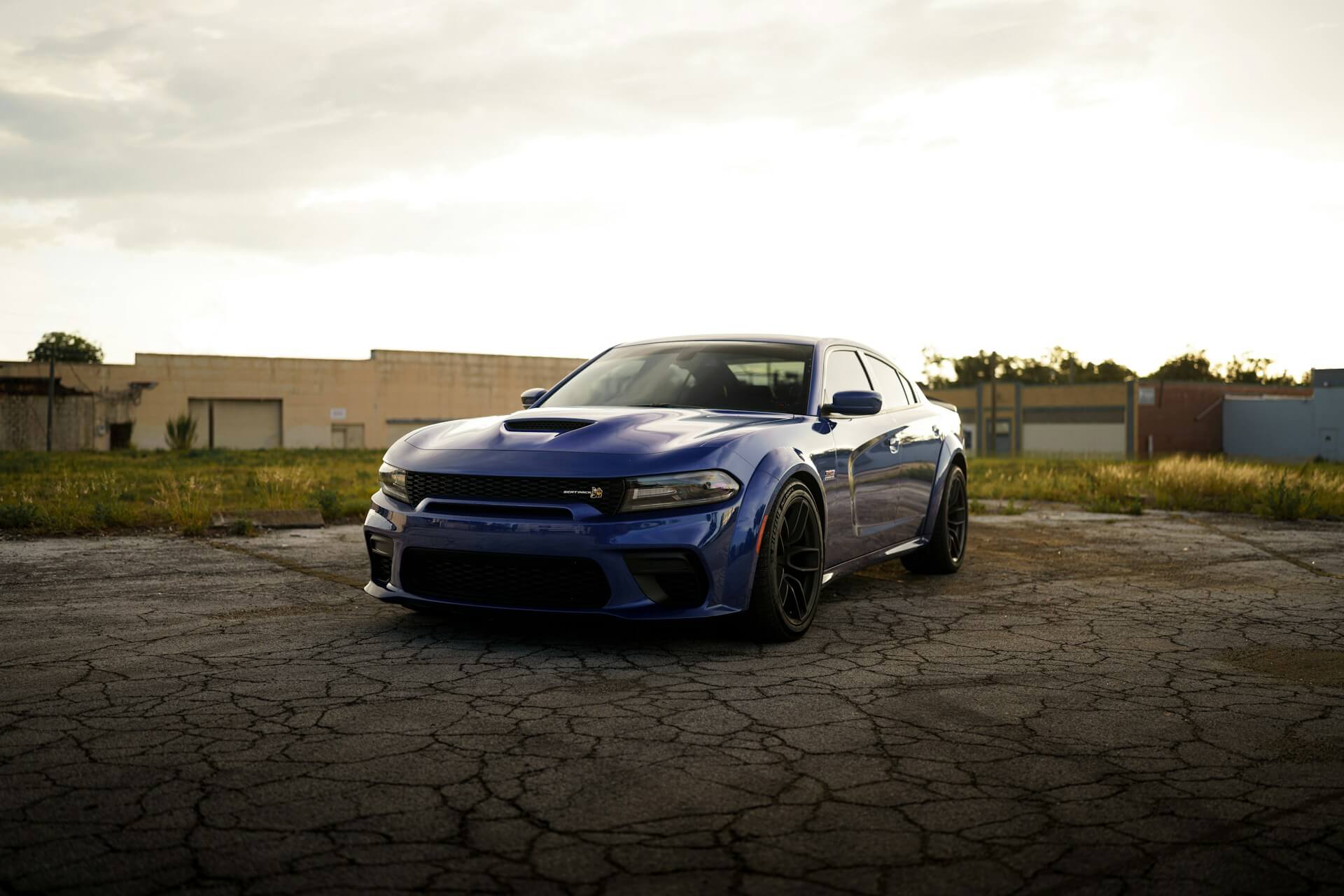

If you’re considering a remap, you’ve probably come across Stage 1 and Stage 2 and wondered which one is actually the better option. On paper, Stage 2 looks like the obvious winner because it offers higher performance, but in reality, the decision is not that straightforward.
At Remaps Exeter, most drivers don’t need maximum performance. They want a car that feels stronger, smoother and more responsive in everyday driving. That’s why understanding the difference properly is key before making a decision.
This guide breaks everything down clearly so you can choose the option that actually fits how you use your car.
What Is a Stage 1 Remap?
A Stage 1 remap is a software-only upgrade designed for completely standard vehicles. It works by optimising the ECU to improve performance without requiring any hardware changes.
Manufacturers build in a margin when tuning engines to account for global fuel quality, emissions regulations and varying driving conditions. This means your car is rarely operating at its most efficient or responsive level.
A Stage 1 remap refines these settings to unlock more torque, improve throttle response and smooth out power delivery, all while staying within safe limits.
What You Can Expect From Stage 1
A properly executed Stage 1 remap delivers noticeable improvements in everyday driving. The car feels more responsive when accelerating, pulls more strongly through the gears and requires less effort to maintain speed.
In addition to performance gains, many drivers also notice improved fuel efficiency when driving sensibly. This is because the engine becomes more efficient at lower RPM, which is where most daily driving takes place.
The key point is that Stage 1 enhances the car without changing its character or introducing complexity.
What Is a Stage 2 Remap?
A Stage 2 remap is designed for vehicles that have been physically modified to improve performance. Unlike Stage 1, it relies on upgraded components to support more aggressive tuning.
Common modifications include upgraded exhaust systems, improved air intake setups and larger intercoolers. These upgrades allow the engine to move air more efficiently, which makes higher performance levels possible.
The ECU is then recalibrated to match these changes, allowing the engine to produce more power than it could in standard form.
What You Can Expect From Stage 2
Stage 2 remapping delivers stronger performance gains than Stage 1, particularly in terms of acceleration and overall output. The car feels more aggressive and responsive, especially under heavier throttle.
However, this comes with a different driving feel. The power delivery is sharper and more performance-focused, which may not suit every driver or every type of use.
Stage 2 is less about refinement and more about pushing the vehicle further.
The Core Differences Between Stage 1 and Stage 2
Understanding the differences in practical terms makes the decision much clearer.
Complexity and Setup
Stage 1 is simple because it requires no hardware changes. The entire process is software-based, which keeps it quick, efficient and easy to implement.
Stage 2 is more involved because it depends on supporting modifications. The vehicle must be upgraded first before the remap can be applied effectively.
Cost Considerations
Stage 1 is the more cost-effective option because it only involves the remap itself. This makes it accessible for most drivers looking for a straightforward upgrade.
Stage 2 involves additional costs for parts and installation, often making it significantly more expensive overall. The remap is only one part of the total investment.
Performance Gains
Stage 2 delivers higher peak performance due to improved airflow and more aggressive tuning. However, Stage 1 still provides strong real-world gains that are more than enough for everyday driving.
The difference is not just about how much power you gain, but how and where that power is delivered.
Everyday Usability
Stage 1 is designed to improve everyday driving. The car remains smooth, predictable and easy to manage in all conditions.
Stage 2 introduces a more performance-focused feel, which can be more aggressive under acceleration. While still usable on the road, it is less focused on comfort and refinement.
Which Is Better for Daily Driving?
For the vast majority of drivers, Stage 1 is the better choice.
It improves performance in a way that makes the car easier and more enjoyable to drive every day. Acceleration becomes smoother, overtaking requires less effort and the vehicle feels more responsive without being overwhelming.
In typical Exeter driving conditions, including traffic, short journeys and mixed road use, Stage 1 delivers everything most drivers need without adding complexity.
When Stage 2 Is the Better Option
Stage 2 becomes the better choice when performance is the main priority and you are willing to invest in the necessary upgrades.
It is best suited to drivers who want stronger acceleration, higher output and a more engaging driving experience. It also makes sense if your vehicle already has performance modifications in place.
For enthusiasts or those building a more performance-focused car, Stage 2 allows you to take things further than Stage 1 can achieve.
Reliability and Long-Term Considerations
Both Stage 1 and Stage 2 can be reliable when carried out properly, but the level of stress on the engine differs.
Stage 1 operates closer to factory tolerances, which makes it the safer option for long-term reliability. It enhances performance without significantly increasing the load on engine components.
Stage 2 places more demand on the engine and supporting systems, which is why the correct hardware upgrades and proper tuning are essential. Without these, the risk of issues increases.
Fuel Economy Differences
Stage 1 remaps often improve fuel efficiency when the car is driven sensibly. The increased torque allows the engine to operate at lower RPM, which reduces fuel consumption in normal driving conditions.
Stage 2 can also be efficient under light driving, but the increased performance potential means fuel usage can rise if the extra power is used frequently.
In both cases, driving style plays a major role in the results you see.
Insurance and Legal Factors
Both Stage 1 and Stage 2 remaps are legal as long as the vehicle remains compliant with emissions and safety regulations.
However, both are classed as modifications and must be declared to your insurance provider. Stage 2 may have a slightly greater impact on premiums due to the additional hardware changes.
Being transparent ensures you remain fully covered and avoids complications if you need to make a claim.
Can You Start With Stage 1 and Upgrade Later?
Yes, and this is a very common approach.
Many drivers begin with a Stage 1 remap to improve their vehicle, then move to Stage 2 later if they decide they want more performance. This allows you to experience the benefits of remapping first before committing to further upgrades.
It also spreads the cost and helps you understand how the car responds to tuning.
Choosing the Right Option in Exeter
The right choice depends entirely on how you use your car.
If your goal is a stronger, smoother and more efficient daily driver, Stage 1 is the better option. It delivers excellent results without unnecessary complexity or cost.
If your goal is maximum performance and you are prepared to invest in supporting upgrades, Stage 2 offers greater potential but requires a more involved setup.
At Remaps Exeter, the focus is always on matching the solution to the driver rather than pushing for the highest figures.
Final Thoughts
Stage 1 vs Stage 2 is not about which option is better overall. It is about which option is better for your specific needs.
Stage 1 is the practical, balanced choice that suits most drivers and delivers strong real-world improvements. Stage 2 is a step further, offering higher performance for those who want it and are willing to invest in the setup.
When you choose based on how you actually drive your car, the decision becomes much clearer and far more effective in the long run.
Get A Quick Quote
Please provide your contact details here, and we’ll get back to you shortly with a personalised quote.